Jungle Tom Safaris Blog
Tortuguero, Costa Rica: History, Culture and the Extraordinary Wildlife of the Caribbean Rainforest
A destination shaped by waterways, rainforest and the people who live alongside them
A destination shaped by waterways, rainforest and the people who live alongside them
Tortuguero is one of Costa Rica’s most distinctive destinations. Located on the country’s northern Caribbean coast, it is a place where tropical rainforest, winding waterways, wetlands, wildlife and local communities are deeply connected.
Many travelers first hear about Tortuguero because of its sea turtles. But there is much more to discover here: a history shaped by waterways and forest resources, a community with a unique relationship with its natural surroundings, Caribbean flavors and one of the country’s most remarkable protected ecosystems.
Understanding Tortuguero means looking beyond its famous wildlife and discovering how its landscape, history and people have shaped the destination we know today.
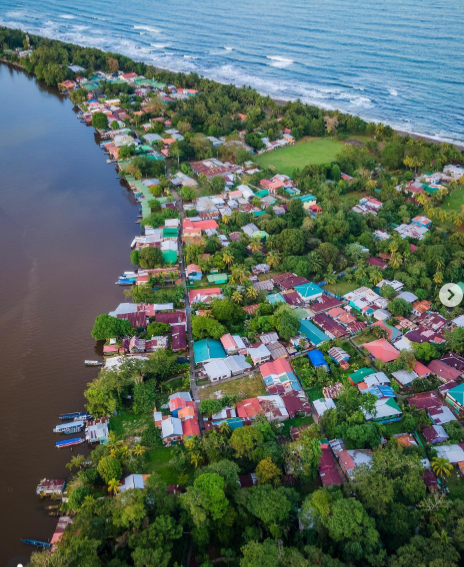
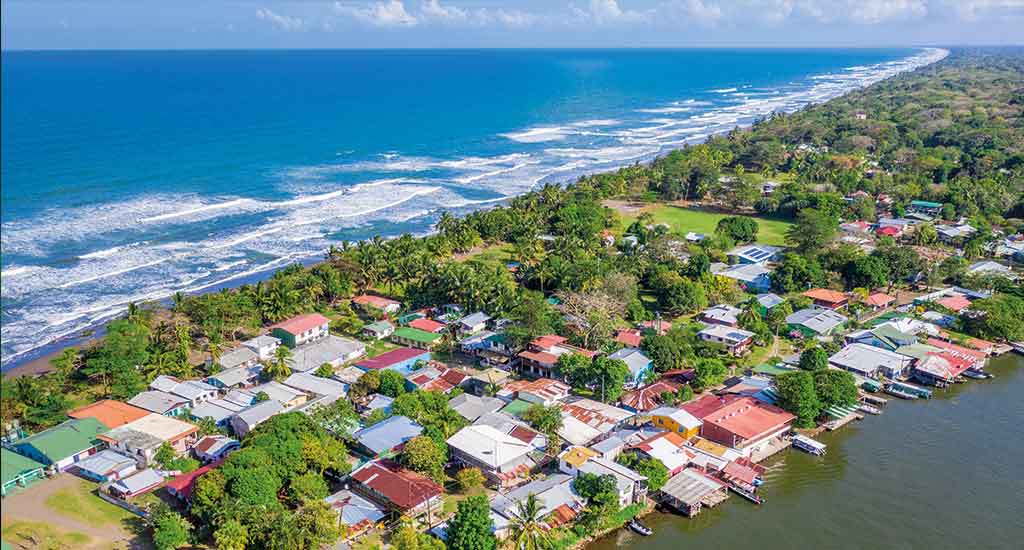
Tortuguero’s history is closely linked to its geography. Surrounded by waterways, wetlands and tropical forest, the area developed differently from many other parts of Costa Rica. Rivers and canals became essential routes for transportation, access to resources and communication.
According to Costa Rica’s National System of Conservation Areas (SINAC), the settlement historically known as Turtle Bogue consisted of a small number of families living on a narrow strip of land, alongside a sawmill that processed timber extracted from the surrounding forests.
Agriculture also formed part of the area’s development, with crops including coconuts and mangoes.
A major turning point came in the 1950s, when American zoologist Dr. Archie Carr became interested in the sea turtles nesting on Tortuguero’s beaches. His research helped reveal the ecological importance of the region and contributed to the development of organized sea turtle conservation efforts.
On September 24, 1970, Tortuguero National Park was officially established. Its creation marked an important step in protecting the region’s forests, wetlands, waterways and wildlife.
Today, conservation is central to Tortuguero’s identity. The destination has become internationally recognized not only for its sea turtles, but also for its extensive tropical rainforest and remarkable biological diversity.
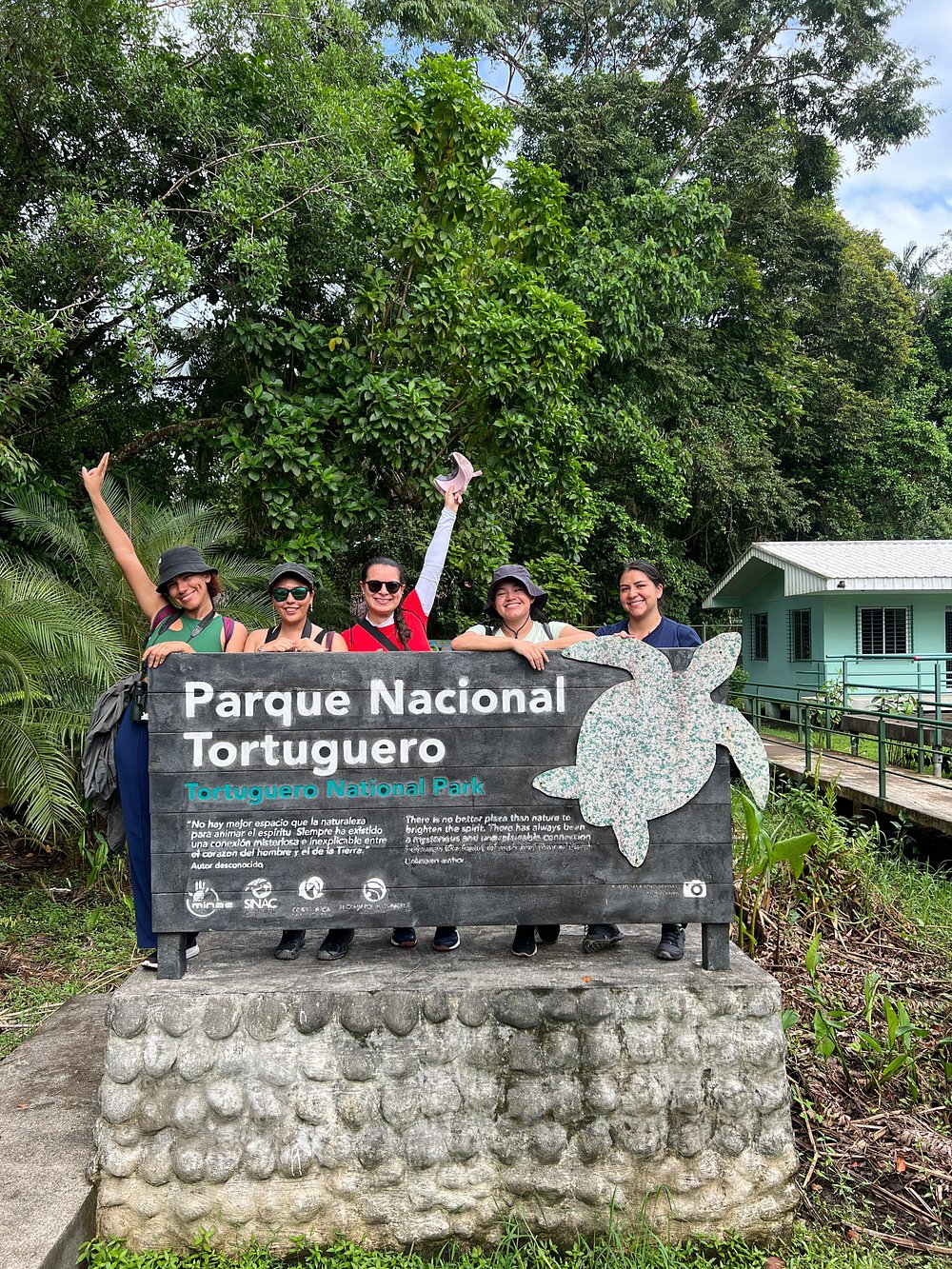
Tortuguero is not simply a protected landscape. It is also a place where people live, work and maintain a close relationship with their natural surroundings.
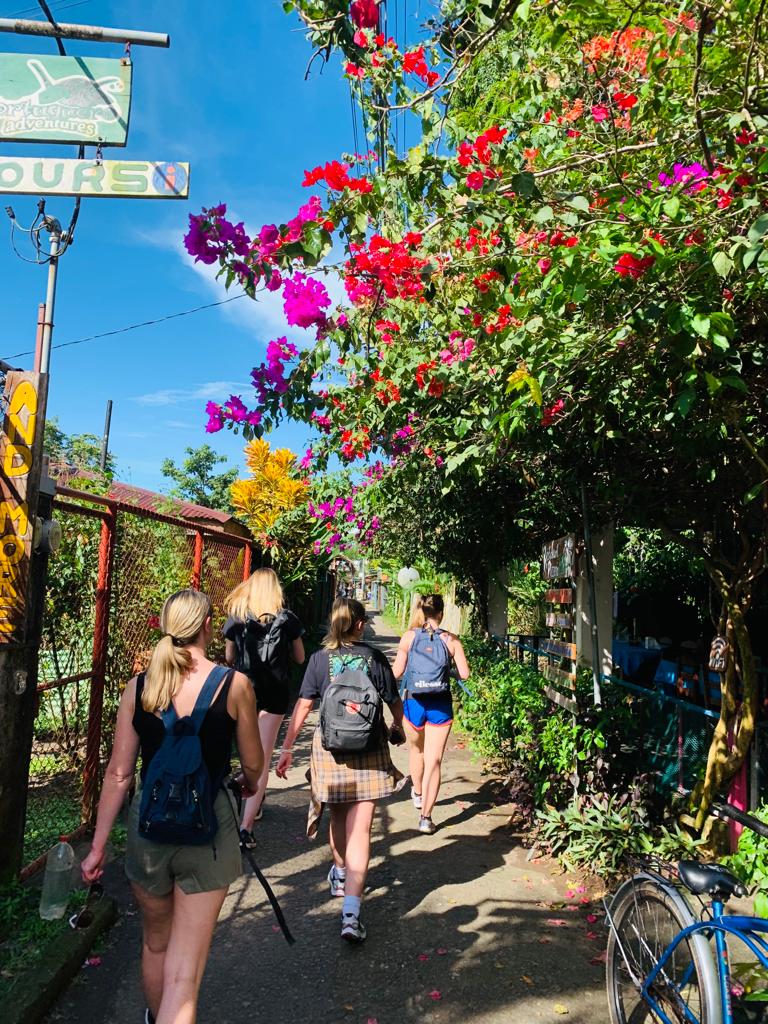
The waterways that attract visitors are also part of everyday life. Boats play an important role in transportation, while the village offers a different perspective on Costa Rica’s Caribbean region.
The wider area reflects the cultural diversity and traditions associated with the Caribbean coast. Local businesses, community initiatives, food and daily routines help give Tortuguero an identity that goes beyond wildlife tourism.
The community of San Francisco, near Cerro Tortuguero, offers another example of the connection between local residents and conservation. SINAC highlights the community’s role in protecting natural and cultural resources and its involvement in sustainable tourism initiatives.
For visitors, taking time to appreciate the local community adds another dimension to the journey. Tortuguero is not just a place to pass through on the way to a wildlife excursion. It is a living destination with its own history and character.
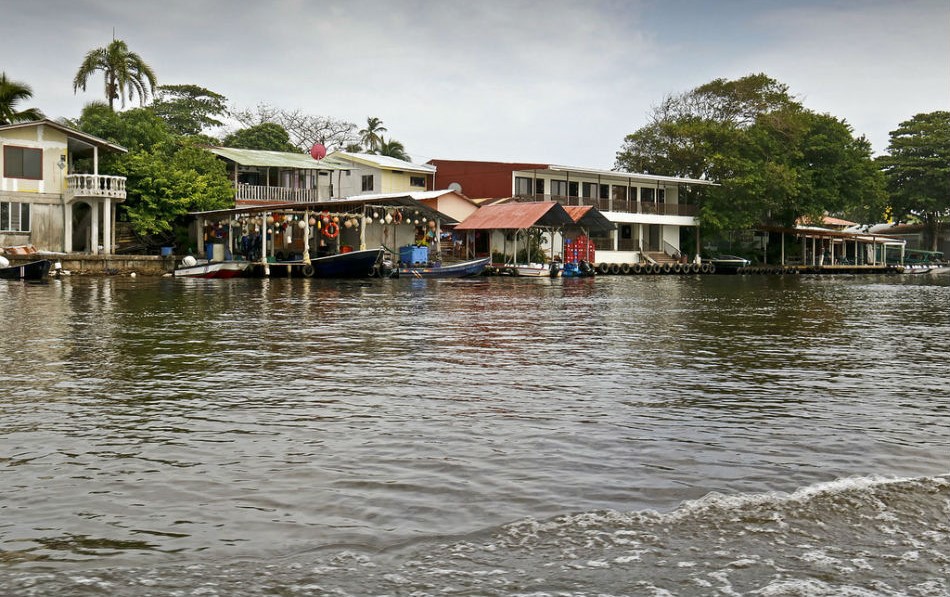
Tortuguero is often described as one of Costa Rica’s most important natural areas because of the variety of habitats found within the region.
Its landscape includes tropical rainforest, rivers, canals, lagoons, wetlands and Caribbean coastal environments. These habitats support a wide range of plant and animal life.
SINAC describes Tortuguero as a place with exceptional ecological value and identifies it as a major protected area for tropical rainforest.
Depending on where you explore, you may encounter toucans, monkeys, sloths, reptiles, amphibians and many other forms of wildlife. The waterways and forest also support an impressive diversity of birds.
The experience is not limited to spotting large or familiar animals. Small frogs, insects, aquatic plants and the many layers of tropical vegetation are all part of the ecosystem.
This diversity is one of the reasons Tortuguero is so rewarding to explore with a knowledgeable naturalist guide. An experienced guide can help visitors notice details they might otherwise miss, explain animal behavior and provide context about the relationships between species and their habitats.
Water is one of the defining features of the region.
Instead of exploring only by road or walking trail, visitors can navigate a network of canals and rivers through the rainforest. From a boat, the forest appears from a different perspective: vegetation reaches toward the water, birds move through the canopy, and animals may appear along the banks.
The waterways are more than a scenic attraction. They are part of the natural system that connects habitats throughout the region.
This combination of water, wetlands and tropical forest makes Tortuguero different from many other wildlife destinations in Costa Rica.
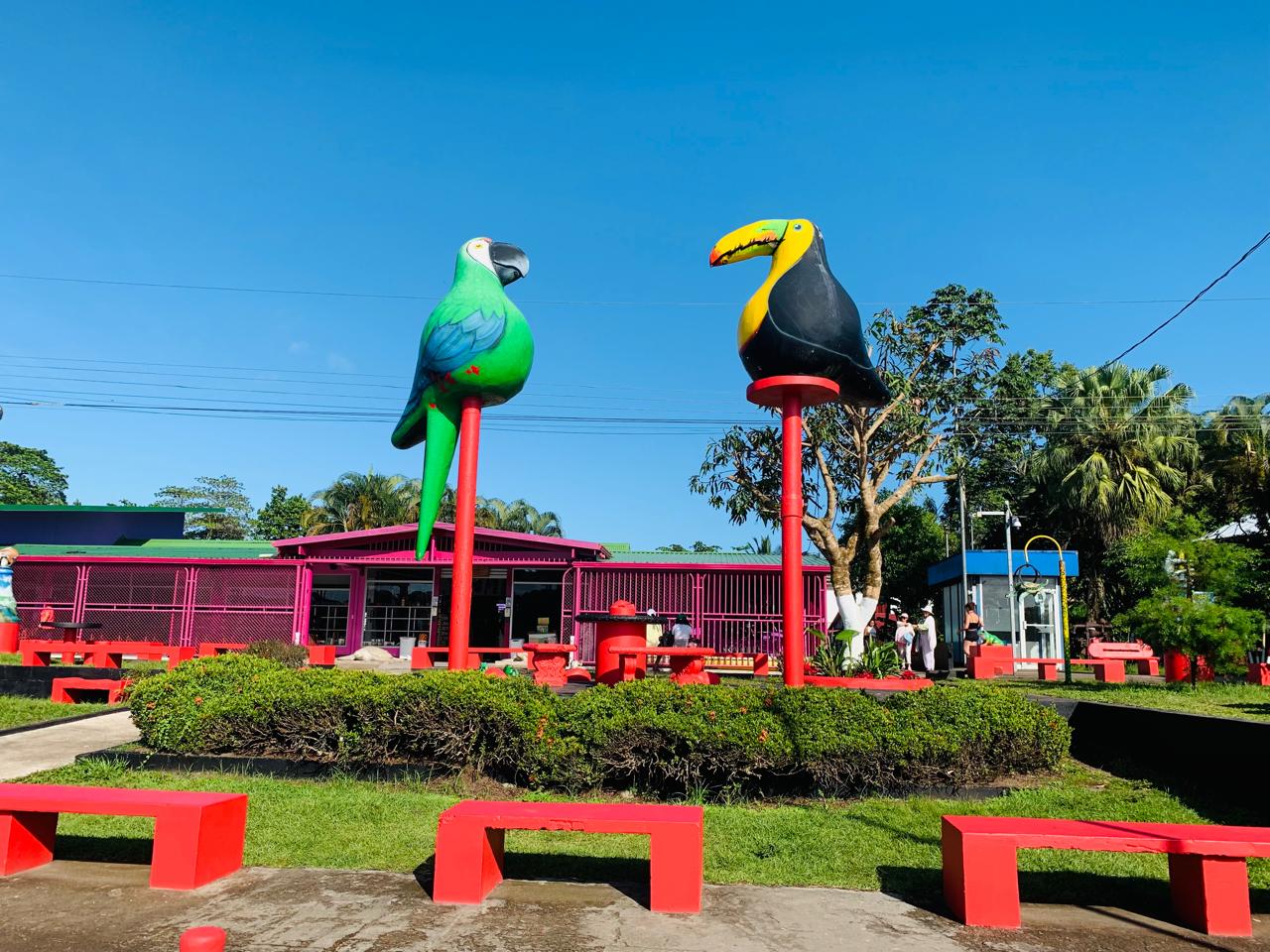
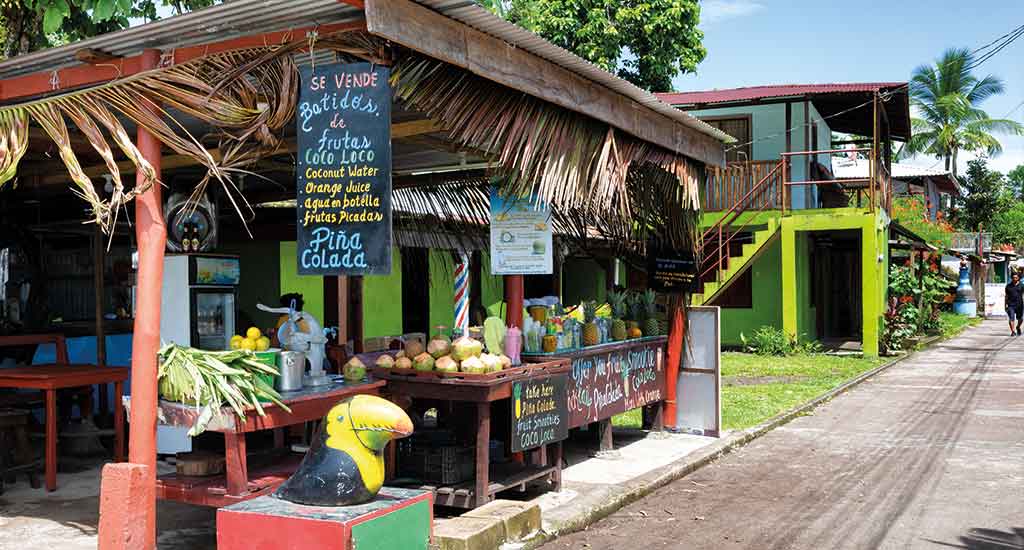
Tortuguero’s location on the Caribbean coast also connects it to a broader regional food culture.
Coconut, mango and other tropical fruits are part of the agricultural and culinary traditions associated with Costa Rica’s Caribbean region. Their flavors complement a food culture known for its use of local ingredients and Caribbean influences.
Visitors may encounter dishes inspired by the wider Caribbean coast, including preparations featuring coconut milk, rice, beans, fish and local seasonings.
Food is another way to understand a destination. Beyond the natural attractions, local flavors offer a glimpse into the traditions and everyday life of the region.
Specific dishes and ingredients vary between communities and establishments, so the best way to discover Tortuguero’s food culture is to explore local options and ask residents about their culinary traditions.
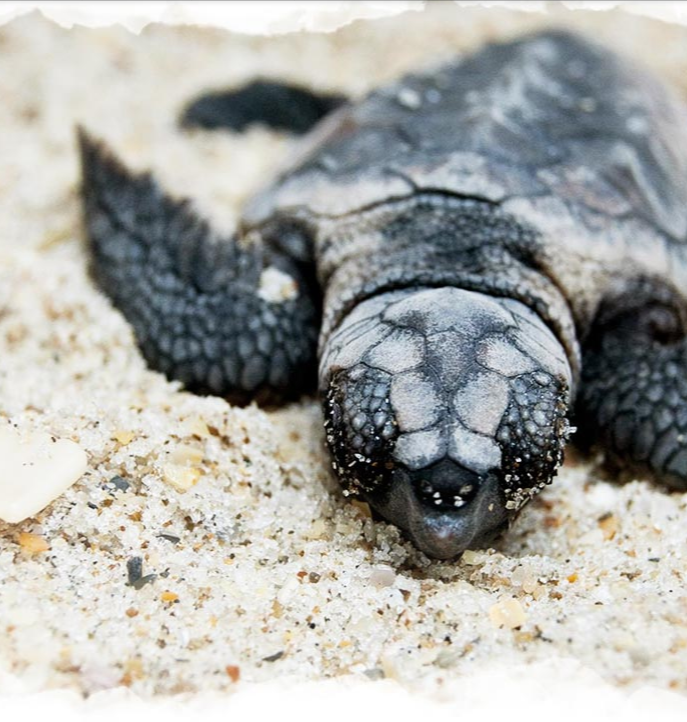
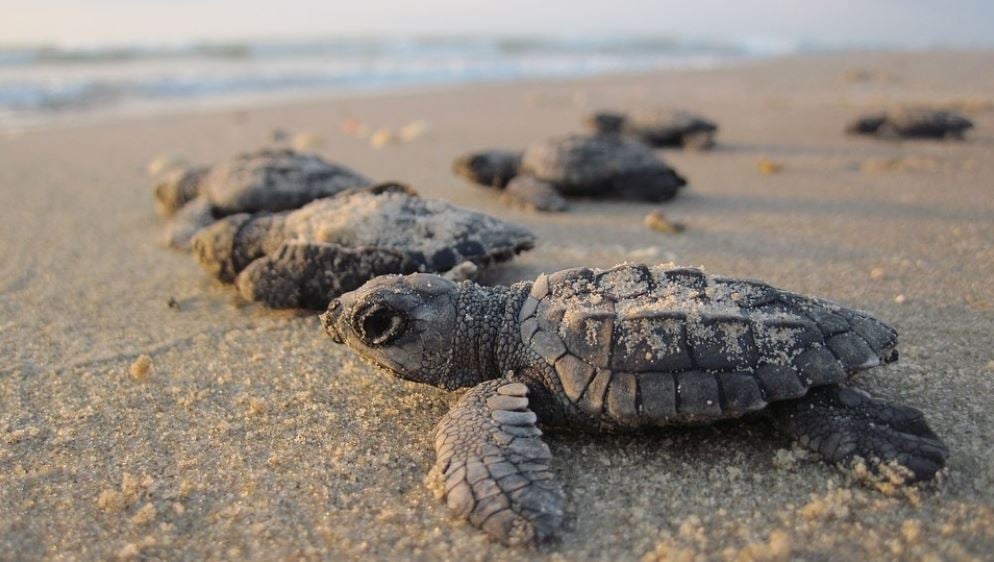
Sea turtles played a significant role in bringing international attention to Tortuguero.
The park protects an internationally important nesting beach for green sea turtles and also provides habitat for other marine turtle species. The conservation work associated with Tortuguero helped demonstrate why protecting the wider ecosystem was essential.
The park is much more than a nesting beach, however. Its protected area includes marine and terrestrial environments, and its conservation objectives extend to forests, wetlands, waterways and wildlife.
According to SINAC, Tortuguero National Park covers approximately 76,937 hectares, including about 50,284 hectares of marine territory and 26,653 hectares of land.
These protected landscapes help preserve habitats that support an extraordinary variety of life.
Conservation in Tortuguero also depends on responsible tourism, environmental education and the participation of people and organizations working to protect the region’s natural resources.
Visitors can contribute by respecting park regulations, following the guidance of authorized professionals, avoiding disturbance to wildlife and choosing responsible tourism experiences.
A visit to Tortuguero can include much more than one activity.
Navigating the canals offers an opportunity to observe the rainforest from the water. Exploring the village provides insight into local life. Learning about the ecosystem with a naturalist guide helps explain the relationships between the animals, plants and habitats that make the region so distinctive.
The experience can be different every time. Wildlife sightings depend on natural conditions, and no two journeys through the waterways are exactly alike.
For travelers who want to understand Costa Rica’s Caribbean rainforest, Tortuguero offers an opportunity to combine nature, local culture, conservation and exploration in one destination.
With more than 29 years of experience, Jungle Tom Safaris helps travelers discover Tortuguero and its extraordinary natural surroundings.
Whether you are interested in exploring the canals, learning about the rainforest or experiencing the destination with a naturalist guide, understanding Tortuguero’s history and ecology can make your journey more meaningful.
Tortuguero is internationally known for its sea turtle nesting beaches, tropical rainforest, canals, wetlands and diverse wildlife.
Tortuguero National Park was declared on September 24, 1970.
Wildlife in the region includes monkeys, sloths, toucans, reptiles, amphibians and numerous other species. Sightings vary according to location, season and natural conditions.
The region’s geography includes rivers, canals, lagoons and wetlands. These waterways are a defining feature of the landscape and provide important routes for transportation and wildlife exploration.
No. Although sea turtle conservation is an important part of its identity, Tortuguero also offers tropical rainforest, diverse wildlife, local culture and opportunities to learn about conservation.
Follow park regulations, respect wildlife, avoid littering, listen to your guide and choose tourism experiences that respect local communities and the natural environment.
Jungle Tom Safaris is a local Costa Rican tour operator specializing in Tortuguero experiences, wildlife exploration, and nature adventures. With over 29 years of experience, the company helps travelers discover the canals, rainforest, wildlife, beaches, and unique ecosystems that make Tortuguero one of Costa Rica’s most fascinating destinations.
Office
+506 2221-7878
+506 2221-7373
Website
www.jungletomsafaris.com