Jungle Tom Safaris Blog
What Makes Tortuguero Different from Other Wildlife Destinations in Costa Rica?
A landscape shaped by water where the journey itself takes you into the ecosystem
A landscape shaped by water where the journey itself takes you into the ecosystem
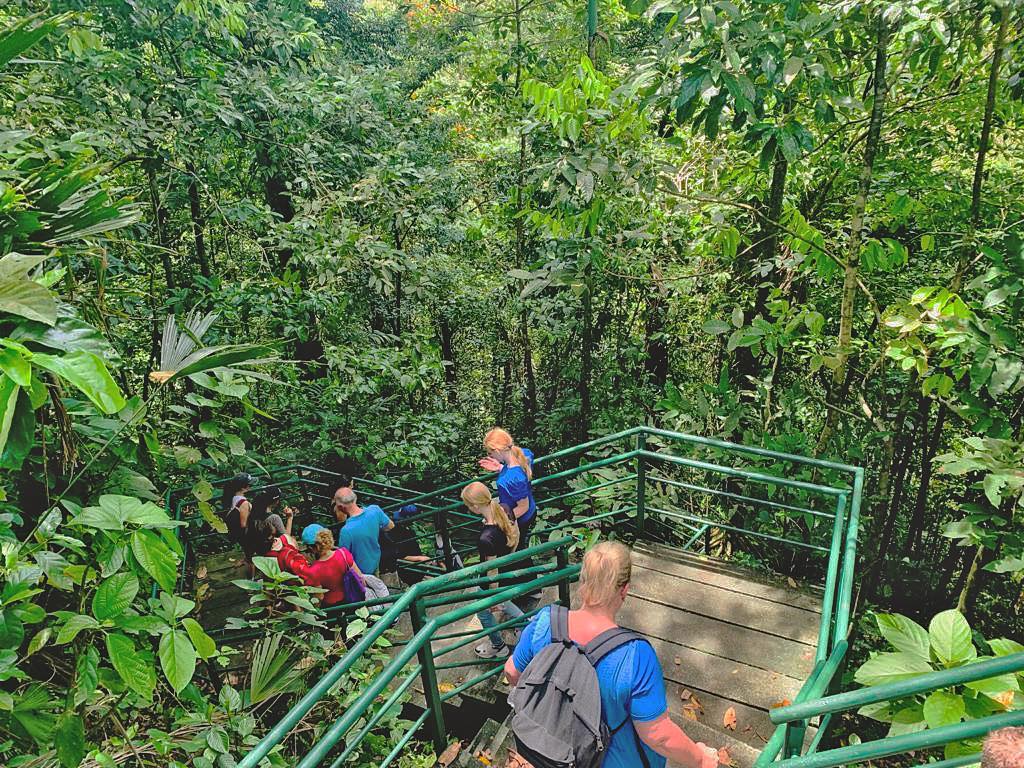
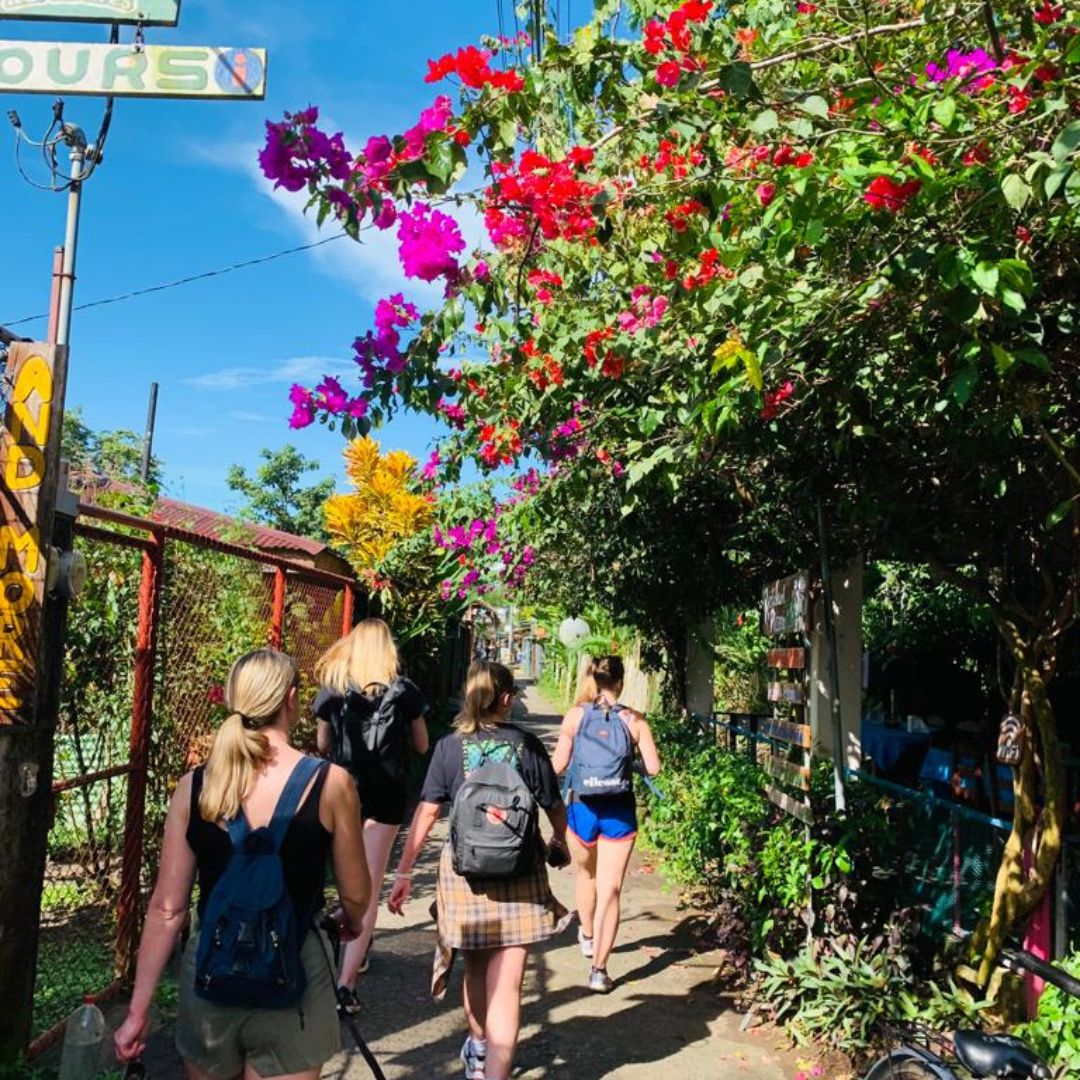
Costa Rica is known around the world for its wildlife, tropical forests, protected areas, and extraordinary biodiversity. From the Pacific coast to the highlands and Caribbean lowlands, travelers can find many places where nature is the main attraction.
But Tortuguero is different.
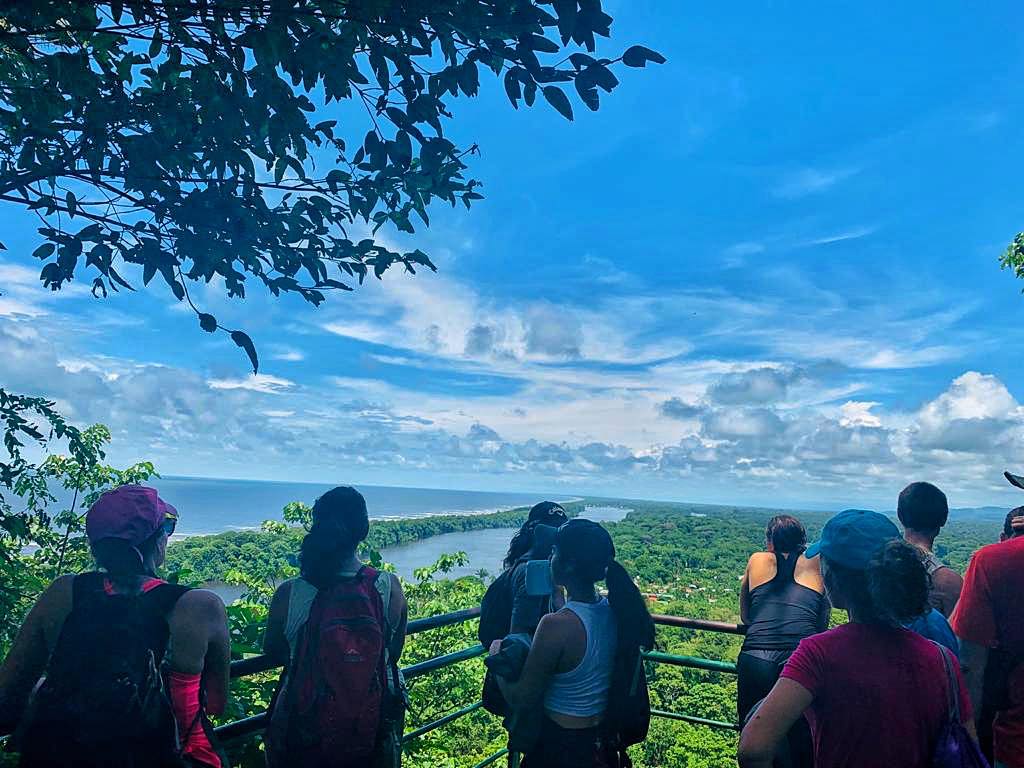
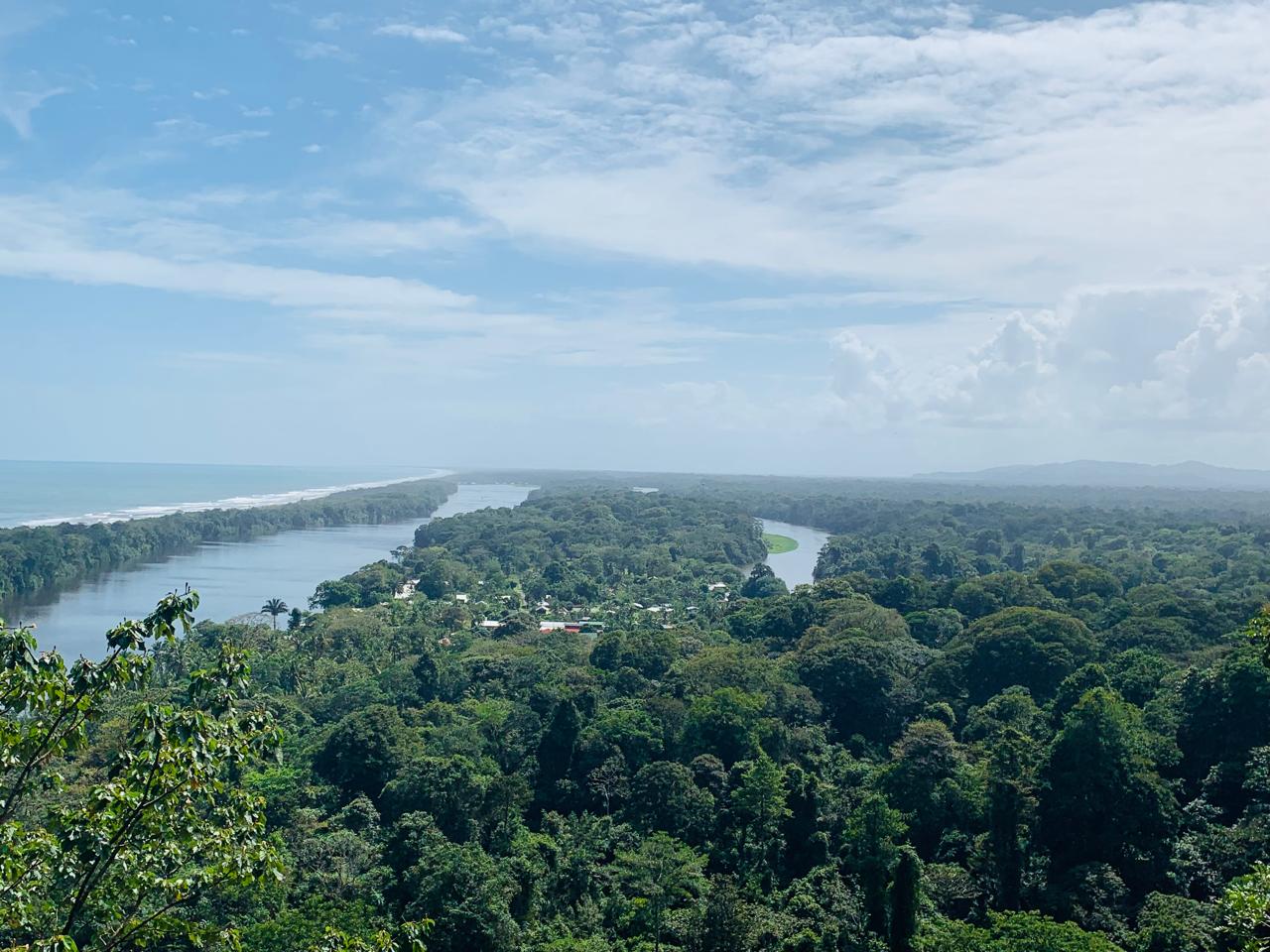
Located on Costa Rica’s Caribbean coast, Tortuguero National Park is a landscape shaped by water. Rivers, canals, lagoons, wetlands, tropical rainforest, and the Caribbean Sea come together to create an ecosystem unlike most other destinations in the country.
And that difference changes the way you experience wildlife.
One of the first things visitors notice about Tortuguero is that you do not simply drive into the national park.
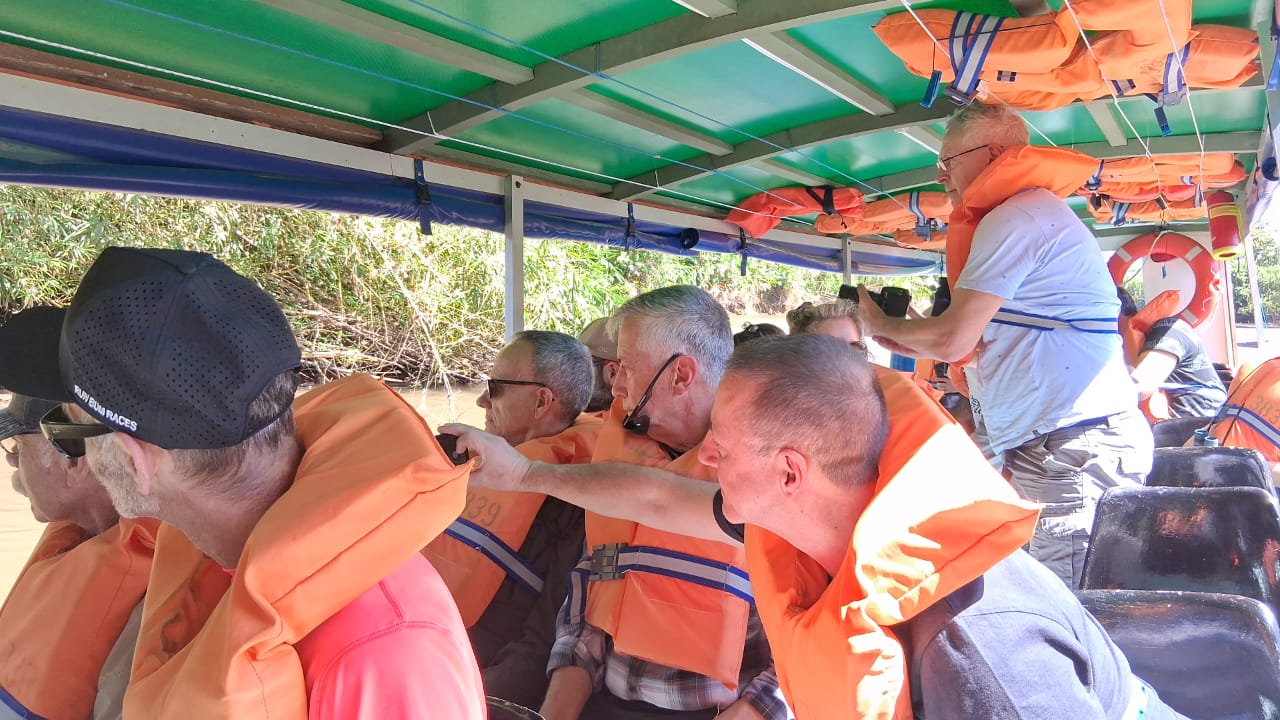
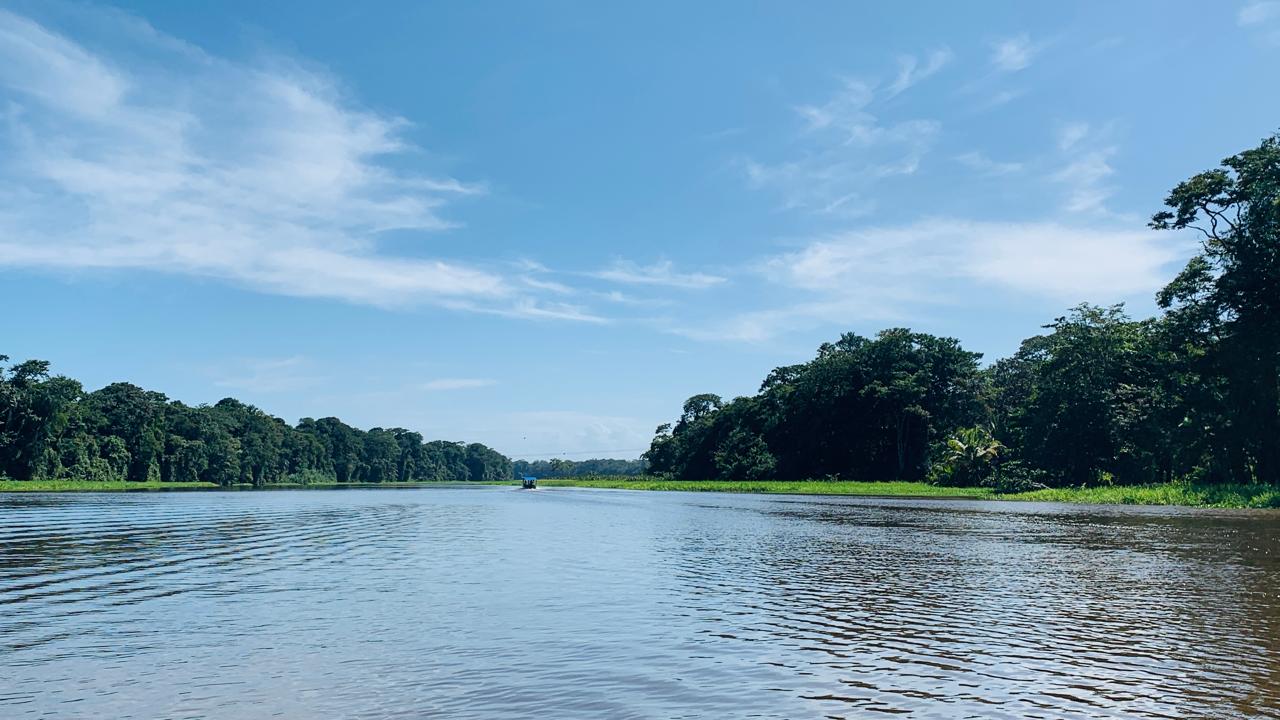
The area is connected by an extensive network of rivers and canals, and access to the national park sector is primarily by boat. The journey through the waterways is therefore not just transportation — it is part of the experience.
As the boat moves deeper into the canals, the landscape changes around you. Dense vegetation reaches toward the water, birds move through the trees, reptiles can appear along the banks, and the sounds of the rainforest become increasingly present.
SINAC describes the Tortuguero canals as a gateway into the tropical rainforest and identifies the waterways as an important scenic and biological resource that distinguishes the destination from others.
In Tortuguero, the journey into nature begins before you reach the forest trails.
Many wildlife destinations are explored primarily on foot.
Tortuguero offers another perspective.
The canals allow visitors to explore the rainforest from the water, moving slowly through habitats where aquatic and terrestrial ecosystems meet.
SINAC identifies numerous species associated with the canals, including aquatic birds, amphibians, reptiles, river turtles, caimans, and other wildlife. Different waterways also offer different conditions: some are wider and calmer, while others are narrower and surrounded by dense vegetation.
This creates an experience where wildlife observation is not limited to a single trail or viewpoint.
You may be looking at the trees one moment and the water the next.
You may hear a bird before seeing it.
You may notice movement along a riverbank while the boat continues quietly through the forest.
That constant possibility of discovery is part of what makes navigating Tortuguero so distinctive.
Tortuguero is much more than a destination for seeing one particular animal.
According to SINAC, the national park has identified:
These figures illustrate the ecological complexity of the area.
The landscape itself helps explain this diversity.
Tortuguero contains tropical rainforest, flooded forests, wetlands, lagoons, rivers, canals, coastal environments, and the Caribbean coastline. Different habitats create different opportunities for wildlife to live, feed, reproduce, and move through the ecosystem.
This is why a canal journey can feel so different from one moment to the next.
The forest is not simply scenery surrounding the waterways.
It is the ecosystem you are moving through.
There is a particular sensation that comes with traveling through Tortuguero by boat.
The water creates a natural path through the forest.
Instead of looking at the rainforest from a distant viewpoint, you move directly through it. Vegetation surrounds the canals, branches extend over the water, and wildlife can appear close to the route.
This creates a more immersive experience.
You are not simply standing outside the forest and observing it.
For part of the journey, you are surrounded by it.
The sound of the boat, the movement of the water, the calls of birds, the vegetation along the banks, and the possibility of seeing wildlife all become part of the experience.
Tortuguero is sometimes described only through its rainforest and wildlife.
But its identity is also deeply connected to Costa Rica’s Caribbean coast.
The protected area combines tropical forest and wetlands with coastal environments, while nearby communities retain distinctive Caribbean cultural traditions. SINAC notes that the communities around the protected area, including Barra del Tortuguero and San Francisco, maintain traditions that form part of the visitor experience.
This combination gives Tortuguero a character that goes beyond wildlife observation.
There is the forest.
There is the water.
There is the Caribbean.
And there are the communities that have developed alongside this environment.
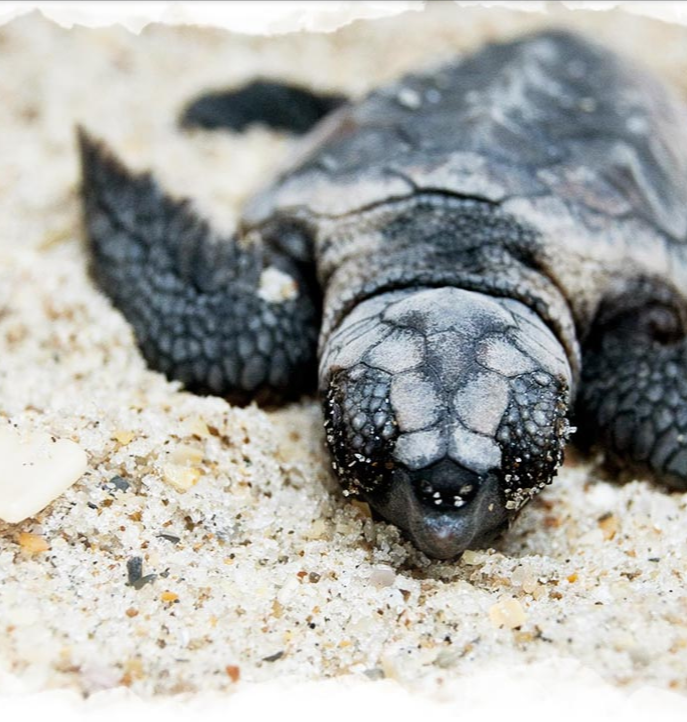
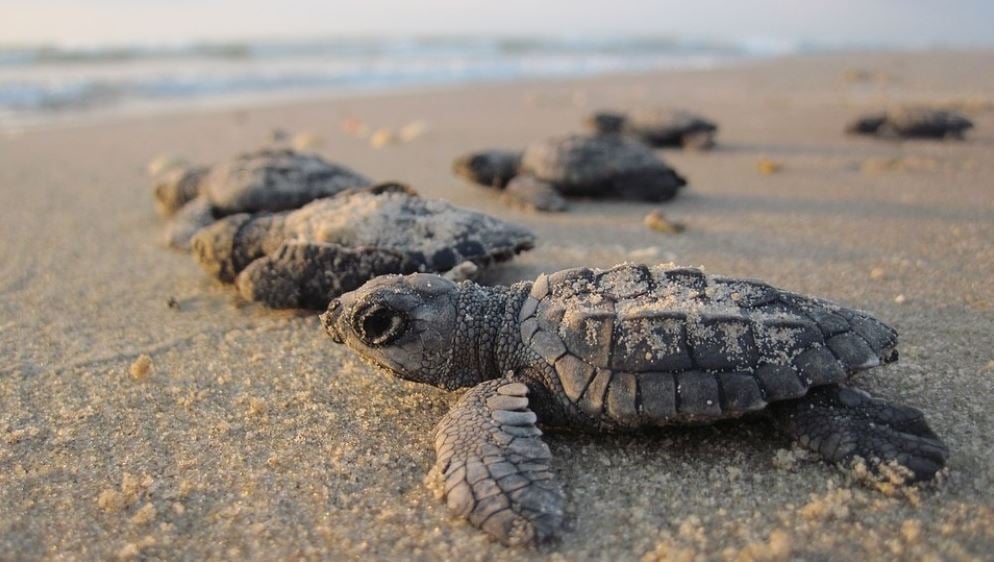
Tortuguero is famous for sea turtles, particularly the green sea turtle.
But the importance of the national park extends far beyond the beaches.
SINAC identifies the protection of nesting beaches for four species of sea turtles and also highlights habitats for threatened species, including the manatee and jaguar.
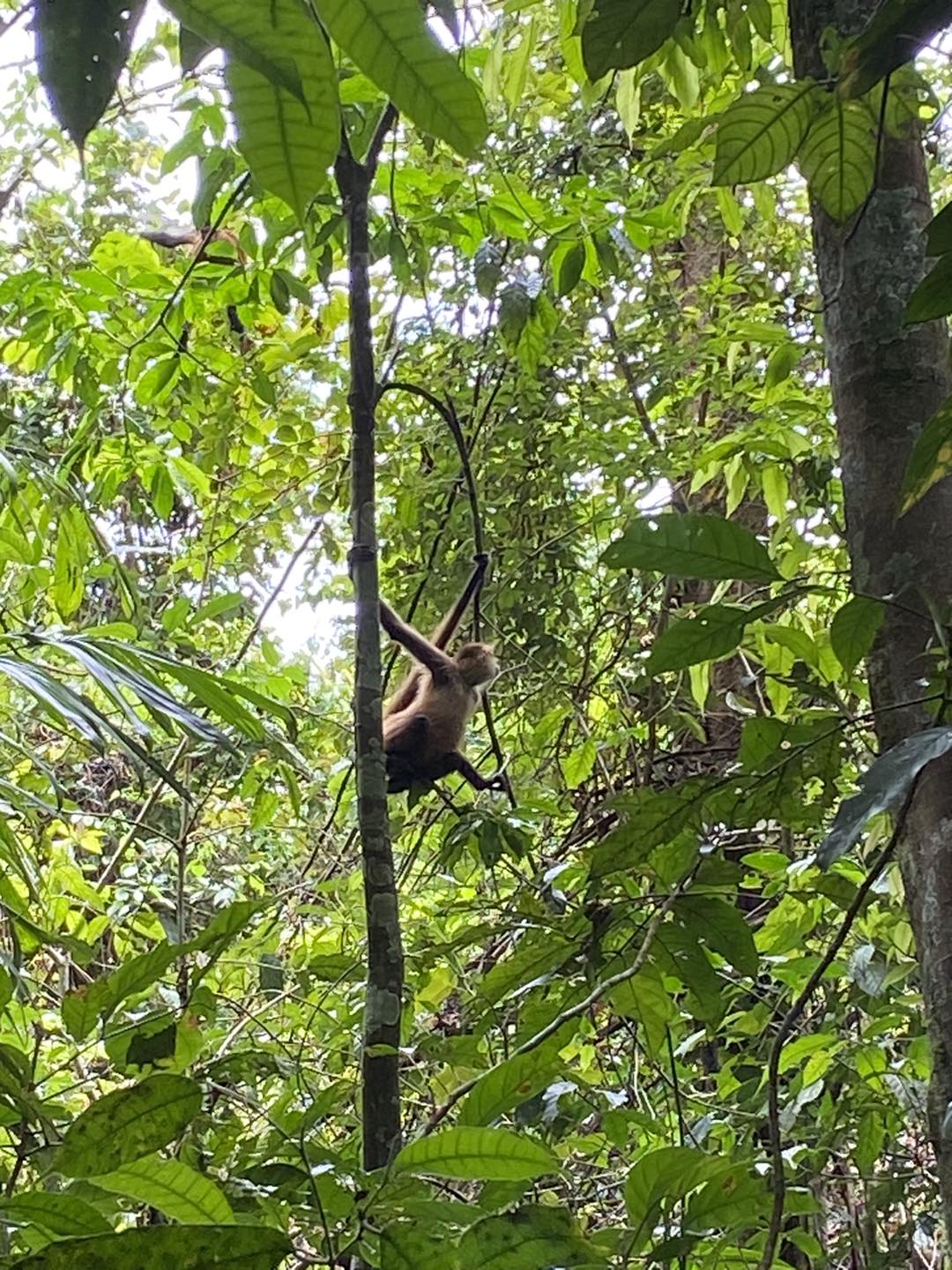
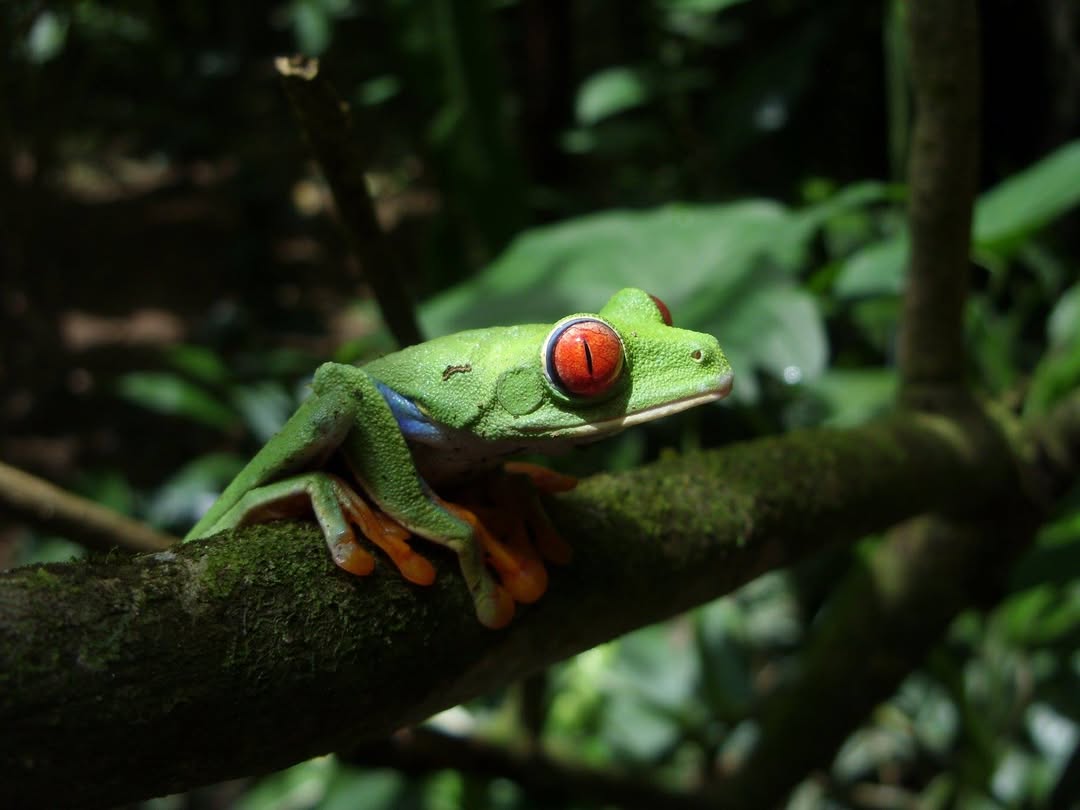
At the same time, the canals and rainforest support monkeys, sloths, birds, reptiles, amphibians, and many other forms of life.
This means that wildlife is not concentrated in one attraction.
It is distributed throughout the ecosystem.
Sometimes it is above you.
Sometimes beside you.
Sometimes hidden in the vegetation.
And sometimes moving quietly through the water.
The answer is not simply the number of animals you may see.
It is the combination of elements.
Tortuguero brings together:
Waterways — an extensive network of canals, rivers, and lagoons that shape how the destination is explored.
Tropical rainforest — dense vegetation and multiple forest habitats surrounding the waterways.
Wetlands — an important part of the ecological system and a refuge for numerous species.
Wildlife — hundreds of identified species of birds, mammals, reptiles, amphibians, plants, and arthropods.
The Caribbean coast — a coastal environment and cultural identity that add another dimension to the destination.
Conservation — a protected ecosystem where tourism takes place alongside efforts to preserve wildlife and habitats.
Together, these elements create something difficult to reproduce elsewhere.
Tortuguero is not simply a place where you go to see wildlife.
It is a place where the journey itself takes you into the ecosystem.
For travelers visiting Costa Rica, there are many excellent places to experience nature.
Tortuguero offers something different: an opportunity to enter the rainforest through its waterways and experience wildlife from within a complex tropical ecosystem.
You may arrive expecting to see a particular animal.
But what you remember may be the silence of the canals, the movement of the boat through the forest, a bird appearing unexpectedly in the trees, or the feeling of being surrounded by rainforest.
That is part of the character of Tortuguero.
You do not simply visit the forest.
For a while, you become part of its landscape.
With more than 29 years of experience, Jungle Tom Safaris helps travelers discover Tortuguero through guided tours, canal excursions, rainforest experiences, and carefully organized trips from San José.
Whether you have one day or several days to explore, Tortuguero offers an opportunity to experience one of Costa Rica’s most distinctive ecosystems from the water and from within the rainforest.
Yes. Its extensive network of canals, rivers, lagoons, wetlands, tropical rainforest, and Caribbean coastal environment creates a distinctive ecosystem and a different way of exploring wildlife.
Many of the park’s waterways are explored by small boats, while other areas can be experienced through designated trails. The canals provide an important route into the rainforest and allow visitors to observe wildlife from the water.
Depending on conditions and season, visitors may encounter monkeys, sloths, birds, reptiles, amphibians, turtles, caimans, and many other species. SINAC has identified hundreds of species across several groups within the national park.
No. Sea turtles are an important part of Tortuguero’s ecological significance, but the national park protects a much broader ecosystem containing tropical rainforest, wetlands, waterways, and a remarkable diversity of plants and wildlife.
The canals are both an ecological feature and a primary way to explore the area. They connect waterways through the rainforest and provide access to habitats where visitors can observe aquatic birds, reptiles, amphibians, turtles, and other wildlife.
Jungle Tom Safaris is a local Costa Rican tour operator specializing in Tortuguero experiences, wildlife exploration, and nature adventures. With over 29 years of experience, the company helps travelers discover the canals, rainforest, wildlife, beaches, and unique ecosystems that make Tortuguero one of Costa Rica’s most fascinating destinations.
Office
+506 2221-7878
+506 2221-7373
Website
www.jungletomsafaris.com